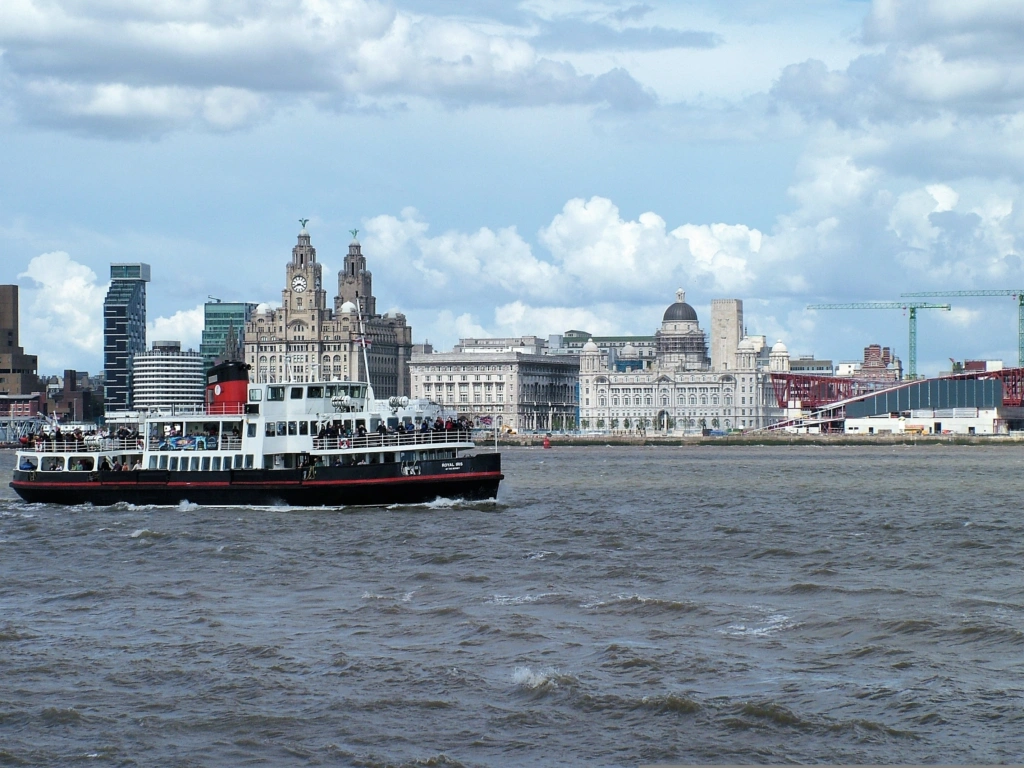
There is a particular kind of optimism at the start of a party conference. The halls are full, the conversations run late, and for a few days the distance between a political idea and a changed country can seem wonderfully short. Labour’s conference, opening in Liverpool, has that energy There is a real buzz on the fringe and in the conference hall. Labour has its confidence back. It is Andy Burnham’s first as Prime Minister, and the theme is a new hope. The Conference arrives with an unmistakable question hanging over it: what would it take for hope to feel real again and how can Labour translate that hope into a winning electoral machine?
Hope is an appealing word because it faces forward into the future. It allows a government to talk about more than the problems it inherited or the pressures it currently manages. But it is also a demanding word. People do not experience hope as a line in a speech. They experience it when a parent can find affordable care for someone they love, when a young person can imagine a secure home and a well-paid job, or when work leaves enough money and time for a life outside it. It means security and prosperity.
That is why the most interesting question on everyone’s minds in Liverpool is not whether delegates sound hopeful. It is whether the ideas heard here can survive hard contact with budgets, institutions stuck in their way, and the uneven realities of different places around the country, and with an economy where growth is stagnant. Conference is a stage, but government is a long series of choices made after the curtains close.
Burnham’s proposal to take a universal, free social care service to the next general election captures both the promise and the difficulty. It speaks to a problem many families understand. Care is expensive, many elderly people need to sell their homes to pay for it, it’s confusing and exhausting to arrange and sometimes below standards. It also raises hard questions. Who would qualify? How would the service be paid for? What would change for the people who provide care, often under considerable pressure themselves? Burnham has indicated the direction; the work of turning it into a credible manifesto commitment still lies ahead and of course, the funding to meet the demand.
That gap between direction and detail need not be an embarrassment. It is where politics becomes serious. A conference should be able to make space for ambition before every answer is settled, to set the tone and the mood, provided ambition is followed by scrutiny. Social care reform, in particular, cannot be designed only around a headline promise. It has to make sense to those receiving support, the relatives who help them, councils, the NHS and the workforce on whom any new system would depend, and crucially the voters need to feel it can be delivered. We all remember how it was Social Care that lost Theressa May her majority, Labour cannot make the same mistake.
Liverpool also offers a chance to think about the geography of change. Calls for further devolution in Wales and for powers to be decentralised within Scotland point towards a familiar frustration: decisions often feel remote from the people who live with their consequences. A massive theme of this conference is devolution and how that delivers for people, towns and places. Yet moving responsibility is only the beginning. If local leaders are expected to improve services without adequate resources or freedom to act, devolution can become another way of passing on difficult choices. Its value should be measured in what communities can do differently and how they can drive prosperity.
These are the kinds of arguments a conference ought to contain. Labour is made up of people who see the country from different vantage points. A care worker, a councillor, an MP and a resident facing a long wait for help may recognise the same problem while disagreeing about its solution. Liverpool brings those perspectives into the same rooms. Agreement may make for the loudest applause, but disagreement handled honestly can make for better policy. One key factor at Liverpool is these arguments are taking place and a party totally united behind the leadership and the Prime Ministers vision for change.
There is a temptation, at any governing party’s conference, to treat criticism as an interruption to the story it wants to tell. It can instead be a useful test of that story. If the message is hope, questions about delivery are not evidence that the message has failed. They are evidence that people want it to mean something. A hopeful politics should be able to hear an uncomfortable account of what is not working and respond with more than reassurance. The Prime Minister in his interview with Laura Keunsberg accepted that criticism will come but that he will focus on doing the right thing by the country. In the past, voters have despised individual policies of Prime Ministers but have backed them at the subsequent election for taking tough decisions. The party must remember that.
That matters especially when looking towards the next general election. Conference can mark the start of a longer conversation about what Labour would ask the country to support next time. It cannot settle that conversation in four days. A compelling account of the future will have to connect its larger ambitions with clear proposals, costs and a record the public can judge. The social care pledge shows one possible shape of that future; the detailed case will have to be built over time. We do of course have the Budget in a few week’s time, and that will be the opportunity for the Chancellor to put more meat on the polices and details on how they will be financed.
Perhaps that is the most useful way to understand Liverpool this week. It is an opportunity to begin, rather than to declare the argument complete. Speeches can establish priorities. Delegates can challenge them. Unions, councils and community organisations can describe what implementation would require. Ministers can listen as well as answer. None of this is as instantly memorable as a slogan, but it is how a slogan acquires substance.
The country has no shortage of reasons to be sceptical of promises, especially after fourteen years of Tory rule. That makes hope harder to offer, but also more valuable when it is earned. If Labour wants this conference to be remembered as the start of something, the measure will not be the mood in Liverpool alone. It will be whether the conversations begun here lead to decisions people can see working where they live and whether the standard of living increases and ultimately whether people feel better off.
For four days, conference gives Labour the space to imagine what comes next. The polls are reflecting the new positive mood and focus of the party. The real opportunity is to leave Liverpool with the resolve to do the slower work: test proposals, face trade-offs and turn a hopeful direction into practical change that the public can resonate with and support at the next election.