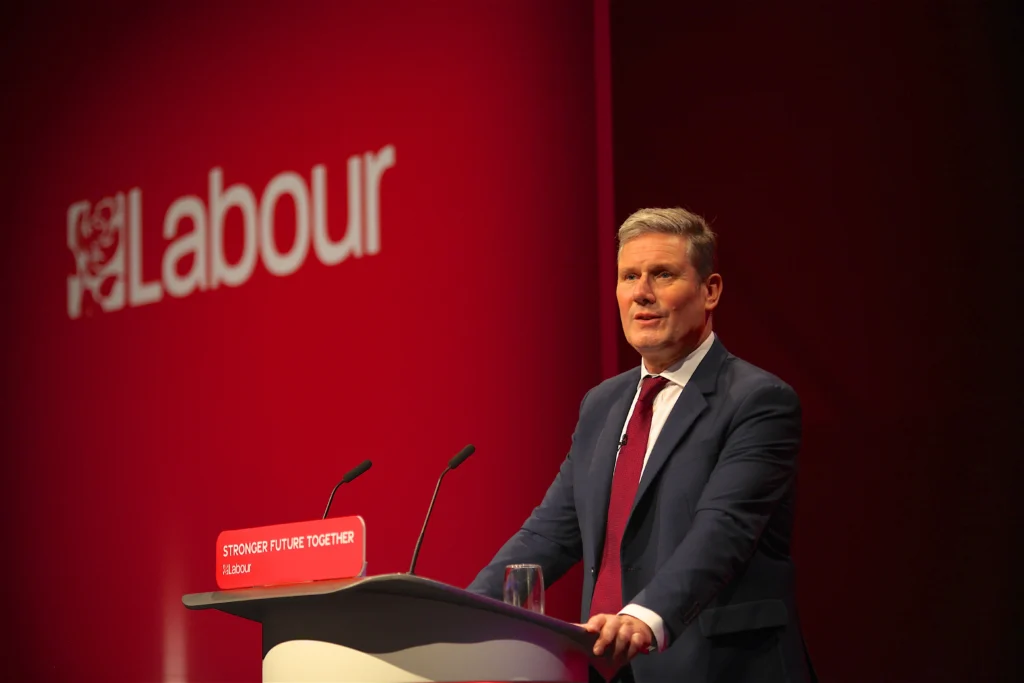
2026 is the year that will make or break this Labour government. The relentless focus on delivery must be turned up a gear. The public entrusted the party with responsibility of high office not because they wanted noise, novelty, or internal drama, but because they wanted competence, seriousness, and change. Labour’s mandate comes with obligations, most of all to focus on delivering change. At this point in the political cycle, there is one unavoidable truth: Labour only wins, and only governs successfully, if it is united behind the party leader, and that means every member of the government backing Keir Starmer.
This is not a plea for blind loyalty or the suppression of debate. It is an argument for political maturity. Leadership contests conducted through briefing, factional manoeuvring, and cabinet freelancing do not strengthen Labour; they weaken it. History is unambiguous on this point. Parties that turn inward when they should be delivering outwardly lose the trust of the electorate and they deserve to.
The Cost of Labour’s Old Habits
Too often in Labour’s past, leadership has been treated as something provisional: something to be tested, undermined, or re-litigated in the margins. That habit has cost the party dearly. The public do not reward parties that appear permanently dissatisfied with their own leadership. They reward clarity, consistency, and a sense that the people in charge are focused on the job at hand.
Keir Starmer was elected to lead Labour, and he has done what many said could not be done: rebuilding credibility, restoring seriousness, and persuading the country that Labour could be trusted again and all within one term of Labour’s worst ever defeat in 2019. That achievement did not come from grandstanding or ideological performance. It came from discipline, patience, and hard choices. Those qualities are not optional now that Labour is in government; they are essential especially given the severe threat we face from Reform and growing support for the Green Party.
Briefings, Freelancing, and the Erosion of Trust
Anonymous briefings against the leadership or against colleagues are not signs of strategic sophistication. They are signs of insecurity. Every briefing that hints at an alternative leadership, every off-message intervention designed to build a personal profile, chips away at the collective authority of the government. Cabinet Ministers, even the most ambitious, must put aside their own ambition, run their own departments and deliver on the manifesto.
Voters do not distinguish between “the leadership” and “the rest of Labour” in the way Westminster does. When they see division, they see incompetence. When they see ministers freelancing, they see a party more interested in itself. The result is not leverage or influence, it is erosion of trust. If we can take one thing away from the Tories fourteen years in power, that is constant infighting and the melodrama of leadership rows only leads to terrible defeats.
Cabinet ministers, in particular, carry a heightened responsibility. Their job is not to audition for future leadership bids; it is to deliver the government’s programme now. The idea that Labour can simultaneously govern effectively and indulge internal leadership positioning is a fantasy. One undermines the other. But the Prime Minister too must be bolder. He must reel in those Cabinet Members on manoeuvres, and the message must be clear. Row with the ship or get off the ship.
Delivering the Manifesto Is the Only Test That Matters
Labour’s authority rests on its manifesto commitments. That document is not an abstract set of aspirations; it is a contract with the electorate. The only route to re-election and to lasting change is to deliver on it visibly and relentlessly.
Unity is not an end in itself. It is a means of delivery. Without unity, reform stalls. Without focus, priorities blur. Without discipline, implementation fails. This is especially true in a period of economic constraint and institutional fragility, where difficult decisions must be explained clearly and carried through consistently.
Keir Starmer’s leadership is explicitly geared toward this task: steady, unspectacular, but effective. That style may frustrate those who prefer constant drama, but it is exactly what the country asked for. Labour must resist the temptation to confuse excitement with progress.
There are legitimate criticisms that need to be made. There have been U-turns, communication has been poor and the country still doesn’t understand the defining mission of the government. These are not small issues, and they need to be resolved quickly. Every day is a day closer to the general election. But these points must be dealt with internally and not in speeches, articles and interviews by potential contenders for Keir Starmer’s crown.
There is a simple test Labour should apply to every internal action: does this help us govern well and win again? Leadership briefings, factional positioning, and speculative plotting all fail that test. And likewise, when the leadership make decisions or announcements, they need to ask themselves – have we thought this through? Have we considered all potential kickbacks? How does this make us look? Does it contrast with our core values? If those questions can be satisfied reasonably then a policy should proceed, but if, like so many policy announcements, they do not, then we should not follow them through and thus avoid future embarrassing u-turns.
Unity Is a Precondition of Power, Not a Luxury
Winning a second term will require Labour to look competent, stable, and united over several years, not several news cycles. That means suppressing personal ambition in favour of collective success. It means recognising that leadership challenges, whether formal or informal, do not strengthen the party in government; they signal weakness. It also means the government needs to get to grips with delivering the agenda of change, and, also, provide people with the clarity they want from their government. The electorate does not expect unanimity of thought, but it does expect unity of purpose. Labour must demonstrate that it understands the difference.
Labour has spent long periods in opposition arguing about what it should be. It is now in government, and the question has changed. The question is whether it can act like a party that deserves to stay there.
That requires unity behind the leader the party chose and the public endorsed. It requires ministers to focus on delivery, not positioning. And it requires the movement as a whole to understand that power, once won, is easily lost if taken for granted.
Keir Starmer does not need unquestioning loyalty. He needs what every successful Labour leader has needed: discipline, seriousness, and a party that understands that internal unity is not a nice-to-have, but a precondition of success.
Labour’s opponents would dearly love the party to turn on itself again. The public would quickly lose patience if it did. The choice is stark: unity and delivery or division and defeat. There is no third option. If Labour wants to win again, it must act like it intends to.