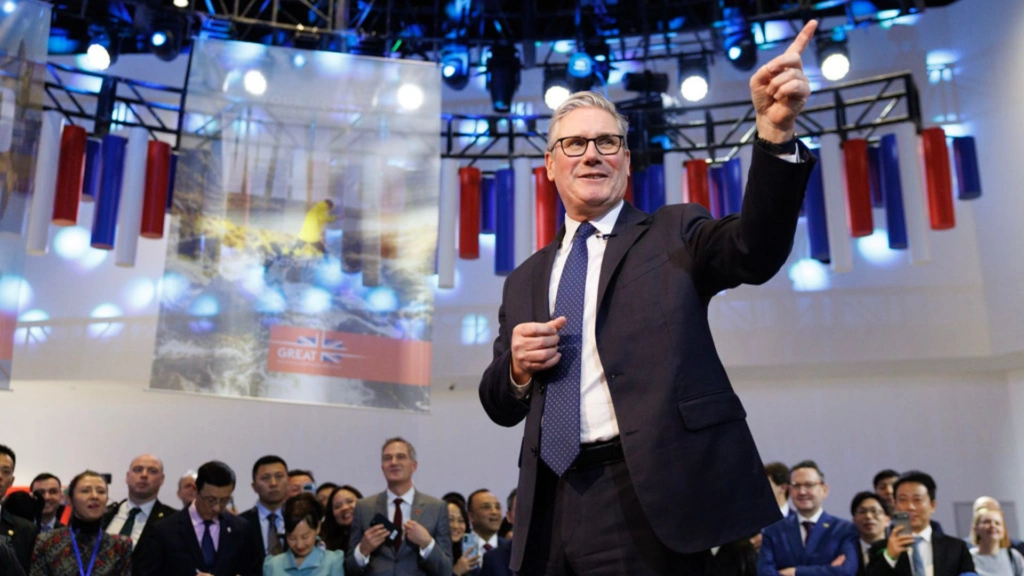
When Labour won the election in 2024, many assumed that the greatest test for Keir Starmer would be governance: delivering on reforms, managing the budget, uniting Labour’s broad coalition. As of November 2025, this prediction has culminated in a leadership challenge.
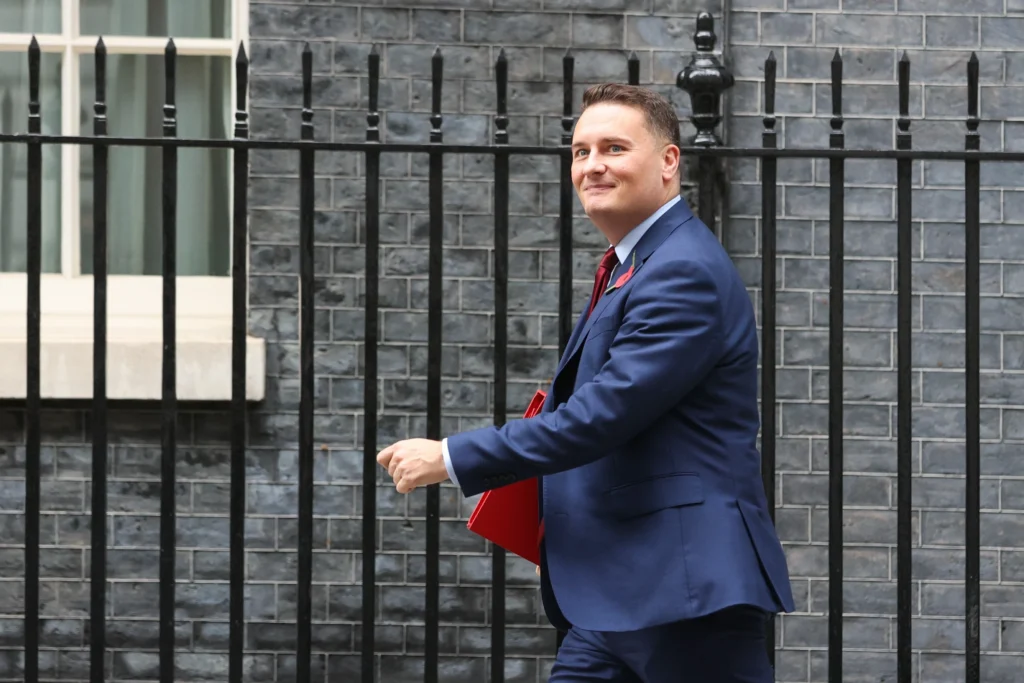
The Health Secretary Wes Streeting has been publicly named, through a flurry of briefings from Number 10, as a potential challenger to Starmer’s premiership. While Streeting denies any coup is in motion or any involvement in any challenge, the mere fact that Number 10 felt compelled to pre-empt such manoeuvrers speak volumes about the vulnerability at the top of government.
Labour’s honeymoon has clearly ended. Polling consistently shows public confidence in the government is at rock bottom and the upcoming budget on 26 November looms as a make-or-break event. According to reports, Starmer’s own allies believe a “walk-away” of some 50 frontbenchers might occur if the budget misfires. Those briefing are accusing the Health Secretary of organising this ‘walk-away’ which he emphatically denies.
The issue is not only performance but perception: the message risks spreading that Starmer is losing control, his team is leaking against one another, and internal discipline is fraying. That’s a dangerous moment for any leader and especially for one barely 18 months into office. While the Health Secretary was doing the media round on Wednesday morning, he called on the Prime Minister to sack those advisors who were briefing against Cabinet colleagues.
Streeting’s Rise and Starmer’s Vulnerability
Wes Streeting is widely seen as one of Labour’s most rhetorically strong and media-savvy ministers. He rejected the coup allegations vigorously, calling them “self-defeating” and pointing his finger at Downing Street briefers. But throwing cold water on rumours does not eliminate the fact that Streeting is now seen as a potential successor if things go wrong. Starmer’s team has gone into what some call “bunker mode” to dissuade any challenge and reinforce that he will fight to stay leader.
Whether Streeting is actively plotting or merely being positioned by others is still ambiguous. Yet the public optics matter: when a sitting leader is forced to publicly declare “I will not stand aside for Wes or anybody else,” the impression of internal crisis takes root. The events of the last twenty four hours are the sort of events that one would expect to see towards the end of a government’s life, not one that is just 18 months in.
Policy Frustrations and the Strain of Delivery
There is no doubt that the Prime Minister is experiencing severely low poll ratings and that there is a wide concern about the Labour Party’s prospects at next year’s elections, particularly in Wales. The forecasts for Labour are dire, and the economy isn’t growing as the government would like. While some progress has been made on the NHS, there is still a mountain to climb in terms of tangible progress that voters feel. Waiting times are falling – but not fast enough. Cancer patients aren’t being treated quickly enough. Junior Doctors are still striking. The Tobacco and Vapes Bill will present problems in Northern Ireland potentially causing a row with the EU. Public satisfaction with the NHS is not rising fast enough. If there is any truth to the rumours that the Health Secretary is challenging Starmer, then his priority should be delivering progress on health and the NHS before devoting time to leadership ambitions.
Governing is about delivering results, but doing so under tight fiscal constraints leaves little room for manoeuvre. Many in the party feel promises are being broken and the lack of narrative and delivery risks alienating Labour’s big-tent base, from traditional working-class voters and trade unionists, to younger progressives and centrists.
The leaks about potential leadership manoeuvres and the way Number 10 responded suggests a serious breakdown of insider discipline. A leader is only as strong as his team, and public signs of disunity always empower rivals and give the impression that the government is flailing. No government that appears divided has gone on to win. That is the lesson of the last fourteen years of constant change in leaders under the Tories.
Rising support for parties like Reform UK and the Greens gives restless voters alternatives, intensifying pressure on Labour to show difference and momentum. The party must remain focussed and united to win against these new political threats.
What Starmer Must Do Next
Starmer has the formal machinery of the party, the majority, and the institutional backing to continue. Labour’s rules mean a leadership challenge requires 20% of MPs (80 nominations) which is not trivial. The sense from the briefing war is that Starmer’s allies believe he can win any contest. But long-term survival is less assured unless key elements are tackled fast.
1. Starmer must shift the narrative from “risk-averse manager” to “visionary achiever”. Quick, visible wins matter, factories opening, waiting-list reductions, green-jobs announcements. The budget (and subsequent public communications) must show that his change agenda is working, not just being promised.
2.If Downing Street remains a swamp of briefers and rival factions, Starmer’s authority will erode. He needs to exert tighter control and at the very least, enforce accountability for leaks. The stories about investor concern if he’s ousted speak to external fragility too. The government must brutally drive out those undertaking briefings against his colleagues, but ultimately if that continues his colleagues could turn on him.
3. Starmer must remind all factions why they backed him: not just for competence but for change. If younger voters and progressive activists feel ignored, the threat from within grows. If traditional Labour voters feel sidelined by a liberal agenda, tension will fester. He must show that his project still speaks to both reform and fairness. Labour has always won when it is a broad coalition. Policy in government must speak to all parts of Labour’s coalition and not just simply chase after voters switching to one specific party or another.
The Critical Months Ahead
The true danger zone lies between now and the May 2026 local elections. If the budget is seen as a betrayal (tax rises, broken manifesto pledges) and tangible delivery for voters remains slow, the pivot point arrives. MPs who were holding back may join the wave. At that moment, Starmer faces not just challengers but potentially a cascade of resignations like those experienced under Boris Johnson. But if he can get through the budget with modest compromises, deliver a narrative of progress by spring, and restore internal discipline, he can emerge strengthened.
The question is whether he has the political agility or appetite for that fight. The leadership challenge facing Keir Starmer today is real and serious. It is not only about ambition or personal rivalry but about performance, perception and positioning. Wes Streeting is at the centre of the rumour storm, but the bigger threat is structural: a drift in momentum, a fracturing of the coalition and a leadership style that may not match the urgency now demanded.
Starmer is not yet doomed. But his survival depends on delivering, tightening his team, rearticulating purpose, and sending a signal: Labour under his leadership will not drift but act. If he succeeds, he will consolidate his authority and reset the narrative; if he fails, he risks internal revolt and an accelerated slide in political fortunes. Other Prime Ministers have recovered from similar difficulties in the past. The next few months are therefore pivotal, not just for Starmer, but for the direction of the Labour Party itself.