A dramatic end to a turbulent era
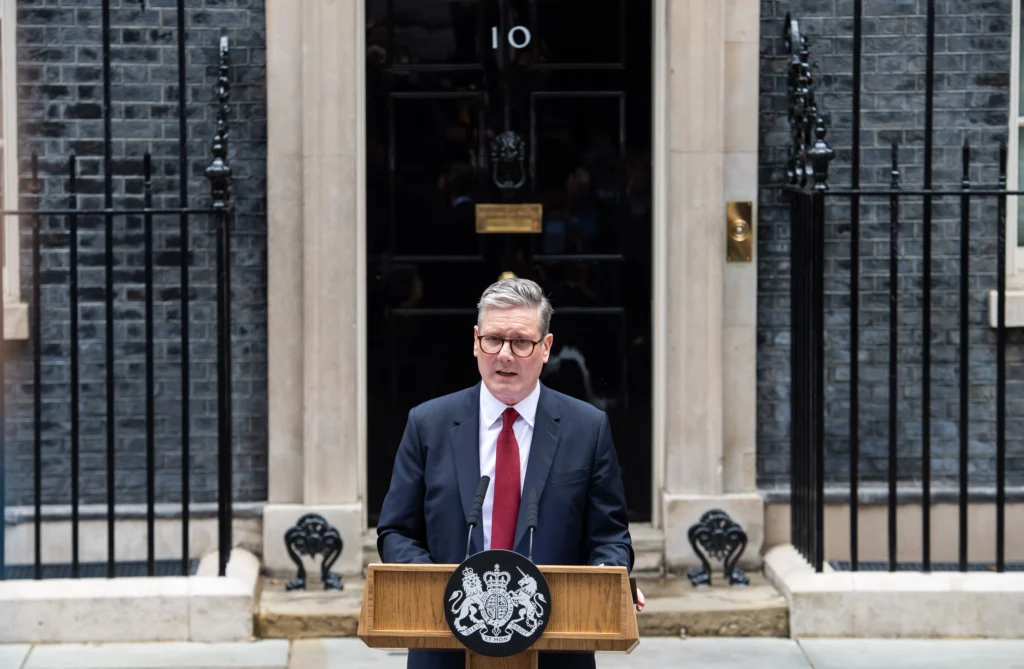
The resignation of Keir Starmer marks one of the most dramatic moments in modern Labour history. Less than two years after securing a landslide General Election victory in 2024 which many thought impossible, Starmer’s departure brings to an end a period that began with the rehabilitation of Labour’s electoral credibility but concludes amid growing concerns about the party’s future direction, declining public support and the rise of Reform UK in once solid Labour heartlands, alongside growing support for the Greens in inner cities.
For Labour, this is not merely a change of leader. It represents the beginning of a debate about what kind of party Labour wishes to be in the second half of the decade and how it intends to secure a second term in government and see off threats from both left and right.
Starmer’s legacy: achievement and failure
Starmer’s achievement should not be underestimated, even as the circumstances of his departure make it easy to overlook. He inherited a party that had suffered its worst defeat since 1935, drove the antisemites from its ranks, and rebuilt its reputation on economic competence, national security and political moderation. Without that process, Labour would almost certainly not have returned to power in 2024. Yet governments are judged not on how they enter office but on how they govern, and by 2026 many Labour MPs had become concerned that the party was losing support to both Reform UK and the Greens while struggling to articulate a compelling vision for the future. A series of policy U-turns, poor communication and questions over the Prime Minister’s judgement led many to question his leadership.
The succession
The immediate question is who succeeds him. The clear frontrunner is Andy Burnham. His commanding victory in the Makerfield by-election earlier this year has transformed the political landscape. It has demonstrated that, despite terrible local election results, Labour can appeal to its traditional coalition as well as voters who chose Reform UK just weeks earlier. He won over 54% of the vote in a seat that Reform should have won. Burnham enters the leadership contest with substantial name recognition, a record as Mayor of Greater Manchester and significant support amongst Labour MPs. Many commentators and indeed the Party itself now regard the contest over and have concluded that he is the next him Labour leader and Prime Minister.
It is still possible for someone to challenge – PLP nominations haven’t even started yet – but this looks increasingly unlikely, with most otherwise budding candidates now trying to position for roles in a Burnham government instead.
But if the last 10 years has taught us anything, it’s that politics is fraught and unpredictable. So while the stars may be aligning around Burnham now, there will be plenty of people sat around the Cabinet table and behind him on the backbenches who covet his position. Foreign Secretary Yvette Cooper has run for leader once, is respected in the party, and is widely expected to still want another run at the leadership one day. Former Health Secretary Wes Streeting may have ruled himself out of the race, but he has been running a shadow leadership campaign for at least a year, you would think he will be ready to pounce at the right time. And the former deputy leader Angela Rayner shouldn’t be ruled out of future contests either. Despite recent political difficulties, she remains influential with sections of the party and trade union movement.
How the contest will unfold
Even with one candidate, the National Executive Committee of the Labour Party will still preside over the party formally choosing the next leader. Burnham will still require nominations from Labour MPs and at least two from trade unions and socialist societies. If this proceeds without contest or hiccup, then we could have a new Prime Minister by Friday 17 July.
There are clear benefits to the party rallying around a single, popular candidate. Given the threats facing the UK and the many challenges domestically, a short contest would be looked upon favourably by the markets. The pound has already dropped following the Prime Minister’s resignation and the more certainty that can be provided the better.
The electoral challenge: holding a fractured coalition
Looking ahead, many Labour MPs believe the rise of Reform UK represents the greatest political challenge facing the party. Reform’s ability to attract former Labour voters in working-class communities has unsettled MPs across the North, Midlands and Wales. At the same time, Labour faces pressure from the Greens in metropolitan and university constituencies. The next leader must therefore achieve something exceptionally difficult: holding together a coalition that stretches from progressive urban voters to socially conservative former Labour supporters.
This is why Burnham’s success has attracted so much attention. His political appeal is rooted in a combination of economic intervention, local identity, devolution and community pride. Supporters argue that this approach offers Labour a route to reconnect with voters who feel economically insecure without alienating the progressive voters who remain central to Labour’s coalition. Angela Rayner has a similar appeal, while Wes Streeting appeals far more to urban voters and those who would be Labour/Tory swing voters.
What this means for the country
The implications extend beyond Labour itself. A leadership election taking place while Labour remains in government will inevitably become a debate about the future direction of the country. Questions of economic growth, public service reform, immigration, energy policy and Britain’s relationship with Europe will all feature prominently. The polls are deeply troubling for the party, but Labour can still win the next General Election; the path has, however, become considerably more complicated.
Despite recent difficulties, Labour still benefits from incumbency, a substantial parliamentary majority and a fragmented opposition. The Conservatives remain in recovery, while Reform’s rise continues to divide the centre-right vote. Restore, the recently formed party seeking to draw back disaffected Reform supporters, adds further uncertainty to an already volatile landscape. However, Labour can no longer assume that its 2024 coalition will remain intact. The next leader’s primary challenge will be rebuilding confidence that Labour understands the concerns of voters beyond Westminster. Success will depend on demonstrating tangible progress on living standards, housing, public services and, most important of all, economic growth, while preventing further erosion of support to Reform and the Greens.
What comes next will define the decade
The leadership contest therefore matters not simply because it determines who occupies Downing Street. It will determine how Labour intends to fight the next election and what political story the party in government wishes to tell the country. The Starmer era is now over. What follows will determine whether Labour emerges from this moment with renewed purpose or finds itself on an accelerating path toward a single term in office.