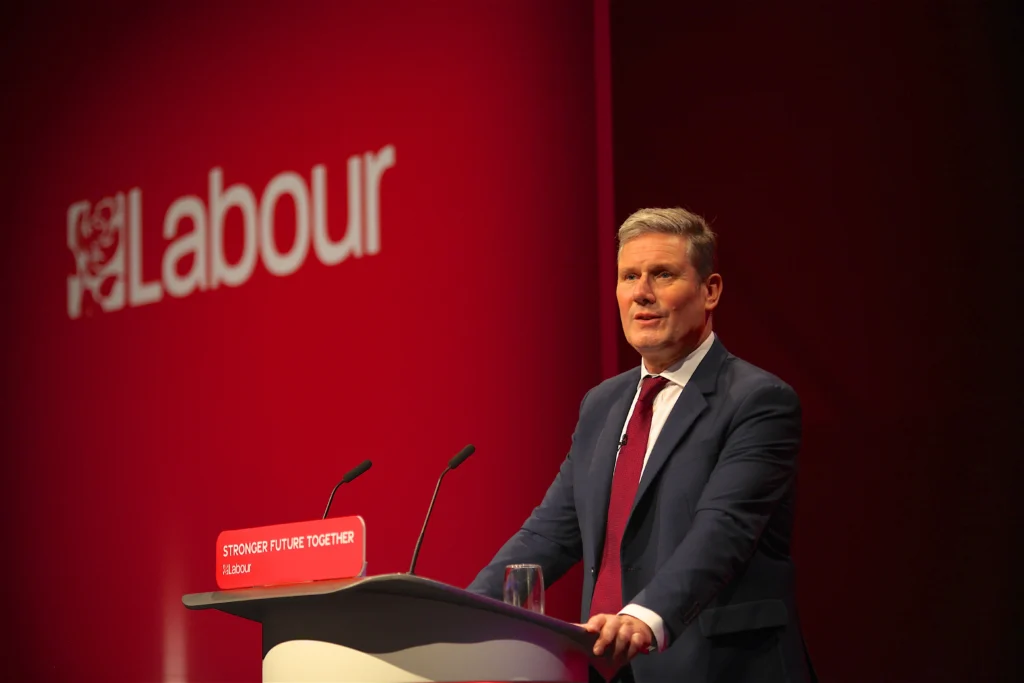
The test of Labour’s values is whether a child’s future is shaped by their talent and effort, not their postcode or their parents’ income. That has always been a defining mission of the Labour movement: to improve the condition of people through the generations. Seven months into government, some foundations have been laid. But the scale of the challenge facing our schools demands bolder action if Labour is to prove it can deliver for working families.
The Crisis Labour Inherited
Labour came to power facing a secondary education system in crisis. Teacher shortages had reached critical levels, with only 69% of recruitment targets met in 2024-25. Schools had spent £2.9 billion more than they received. Crumbling buildings, rising mental health issues amongst young people, shortening attention spans, and soaring absence rates weren’t policy papers, they were the daily reality for teachers, parents, and pupils across the country.
For too long, education has been treated as a middle-class concern. It isn’t. Good schools are the foundation of opportunity for working-class communities. When schools fail, it’s working families who suffer most. Labour must remember this.
What Labour Has Delivered So Far
Labour’s manifesto outlined plans to recruit 6,500 new teachers in key subjects. Data from 2024 showed an increase of 2,300 teachers, which the government claim puts them a third of the way there. But in February 2025, the Department for Education rated delivery confidence as a “significant challenge” due to insufficient funding for proven recruitment tools. With one in eleven teachers leaving the profession annually, this isn’t just about recruitment. It’s about making teaching a profession people want to stay in.
The £2.3 billion announced for core schools funding in the Autumn Budget sounds substantial until you examine what it’s actually for. £1 billion is ringfenced for SEND provision. £450 million covers existing teacher pay commitments from the previous year. That leaves roughly £850 million for everything else, including rising National Insurance contributions already eating into school budgets.
This is the problem. Labour keeps announcing big numbers that sound impressive in press releases but don’t match the reality headteachers face when they’re trying to balance the books. Parents see through this because they know what is happening in their kids’ school. They want honesty about what’s possible and clear delivery of what’s promised.
The move away from single-headline Ofsted grades towards a report card system represents genuine progress. Treating schools as partners rather than problems to be disciplined matters. But cultural shifts alone won’t fix broken toilets, recruit physics teachers, or stop parents worrying about whether their child is safe and learning.
Labour has committed to dedicated mental health support in every school (£175 million) and an extra £1 billion for SEND provision. The intent is right. The system remains under severe pressure though, with councils facing bankruptcy and parents still forced into court battles for appropriate support. Good intentions need to become tangible improvements that families can see and feel.
The Attention Crisis: social media and vapes
We all know that the increased prevalence of social media and short form video content is having an impact on the attention spans of our children. The government is looking to address this and last week launched a consultation which will look at how to address this – including potentially going as far as banning social media for under 16s. UK children spent an average of 127 minutes per day on TikTok alone in 2023, any steps taken by the government to reduce time spent on phones in school, and taking the burden for policing it away from teachers, will be seriously welcomed in schools up and down the country.
Teachers also need help from the government to police the vaping crisis. One in seven children have been caught vaping, with nearly half of those under 11 years old. School leaders cite this as one of their biggest headaches, as nearly one in ten UK secondary school children currently vape.
Labour’s response? The Tobacco and Vapes Bill, passed in November 2024. A bill which bans the sale of cigarettes to people born after January 2009 but doesn’t actually ban the product young people are becoming increasingly addicted to: vapes. What schools need is practical support, funding for vape detection technology, staff training on enforcement, clear guidance on sanctions, partnerships with public health services and legislation which actually addresses the problem among people. The Bill misses an opportunity to raise the legal age to buy vapes up to 21, which would make it much harder for kids to get hold of them.
Passing a law and leaving schools to police it without resources isn’t governing. It’s passing the buck. This pattern keeps repeating. Whether it’s mental health, SEND provision, or behaviour support, schools cannot carry these burdens alone. Labour needs to match its legislation with resources and support, or it’s just creating more work for already overstretched teachers.
What Needs to Happen Next
Labour has begun repairing trust and stabilising schools. But voters don’t care about process, they care about results. As we move through 2026, several priorities demand action.
- Make teaching genuinely attractive. Competitive pay that keeps pace with comparable professions, proper support for early-career teachers, real action on workload with protected planning time, and a credible multi-year funding plan so schools can actually plan ahead.
- Reform assessment to serve learning. The Ofsted framework change was good. Now go further. Make vocational and technical pathways genuinely prestigious, not just rhetorically valued. Young people deserve multiple routes to success.
- Fix SEND properly. The £1 billion is a sticking plaster. The system needs fundamental reform of how SEND is funded and delivered, or councils will keep going bankrupt and parents will keep being dragged through courts.
- Make technical education matter. Further education received £300 million whilst college teachers ballot for strikes. Skills England remains in development. If we’re serious about opportunity for all, technical education must be properly funded and genuinely lead to good jobs.
The attainment gap between advantaged and disadvantaged pupils was widening under the Conservatives. Labour must prove that improving outcomes for young people with SEND, those eligible for free school meals, and those facing multiple disadvantages isn’t rhetoric but reality.
The Stakes for Labour
This isn’t just about education policy. It’s about whether Labour can deliver for working families. A society that wastes the talent of its young people isn’t just unjust, it’s economically reckless. And politically, if parents don’t see schools improving, Labour will pay the price.
Labour has begun the work of repairing trust and setting direction. The challenge now is delivery. Bold delivery. Not incremental tweaks or cautious reforms, but visible improvements that parents, teachers, and young people can see and feel. Resources to match legislation. Long-term plans to match short-term promises.
If Labour gets this right, it won’t just improve schools, it will shape a fairer, stronger future for the country. But rhetoric must become reality. Planning must become action. The test isn’t what Labour announces, it’s what children and young people actually experience in their schools over the coming years.
That’s how Labour’s education legacy will be judged. And that’s what working families deserve.