For Labour, 2026 will be when the party either demonstrates can govern with clarity and deliver with confidence, or confirms that it lacks direction, with the latter marching to an inevitable defeat at the next general election.
Voters have moved beyond novelty, excuses, and inherited challenges. We can no longer blame 14 years of Tory government. We are in office and we are responsible. What matters is delivery, coherence, and momentum. The political calendar offers Labour several critical moments to reset the narrative but only if it uses them decisively.
We have twelve months to turn things around, after that the public will cement their support for Reform and we will simply be counting down the clock to political oblivion.
Outcomes over ideology
In 2026, the public mood is not shaped at all by ideology. Strategists should be asking straightforward questions: Are living standards improving? Are public services stabilising? Does the government appear to be in control? And crucially is the economy growing and do I feel better off? Labour cannot rely on comparisons with predecessors. The electorate’s patience is non-existent, particularly after a prolonged period of economic pressure and institutional fatigue.
Labour is now in power, the public are experiencing our policies firsthand and we need to own the results. This means Labour must stop communicating defensively and start governing offensively – requiring sharper priorities, clearer language, and visible proof that decisions are being taken with purpose rather than caution alone.
Labour’s defining economic moment
The Spring Statement in 2026 will be Labour’s first major test of the year. It must do three things simultaneously: reassure markets, demonstrate fiscal discipline, and show tangible benefits for working households. Failure on any one of these fronts risks reviving doubts about Labour’s economic competence.
The tough decisions have been made – now is the time to deliver growth. Success will not be measured solely by headline figures, but by whether the government articulates a convincing medium-term economic strategy. That means explaining not just how money is being spent, but why those choices are linked to productivity, growth, and long-term resilience. Targeted investment in infrastructure, skills, and energy security must be framed as enabling growth, not as abstract social goods.
On energy security we need to abandon ideology and prioritise security. We must fundamentally re-examine our approach to oil and gas drilling in the North Sea. Oil and gas is essential for our energy and economic security, before, during and beyond meeting net zero in 2050. In an increasingly volatile world, we should make the most of our own resources, backing British jobs and British industry.
Crucially, Labour must alleviate pressures on small businesses and middle earners who are often rhetorically acknowledged but practically overlooked. Tax stability, regulatory clarity, and visible support for enterprise will be essential if Labour is to broaden and stabilise its coalition. Raising the minimum and living wages were positive moves for employees – but it also presented a challenge for employers. When Labour increased National Insurance, it was a cost that employers had to meet.
Labour should launch a full assault of regulation on small businesses. Eighty percent of the economy is domestic and therefore if we can free up just five percent of business time on form filling the potential boom is tremendous and will yield huge benefits to the economy.
The first electoral verdict
The May 2026 elections will be the first real national electoral verdict on Labour’s direction and actions in government. There is no escaping that the opinion polls are terrible. While mid-cycle elections are rarely kind to governing parties, Labour cannot afford a narrative of universal losses. The question will not be whether Labour wins everywhere, but whether it demonstrates resilience in key areas that will enable the party to maintain its majority at the next election.
Success should be defined in three ways:
- Labour must hold its core urban and metropolitan bases comfortably, avoiding the impression of voter disengagement or disappointment – this means seeing off the threat from the Greens, Liberal Democrats and Independents.
- It should make credible advances or at least limit losses in marginal towns and suburban areas that will decide the next general election, and this means seeing off Reform.
- Turnout among Labour-leaning voters must remain robust; apathy would be a far more serious warning sign than tactical protest votes and to deliver that turnout we need to improve the telling of Labour’s story in government.
The May elections are crucial following dreadful defeats in 2025. We have five months to improve our standing to avoid another disastrous set of results. If Labour can plausibly claim that it has consolidated its base while remaining competitive beyond it, the elections can be framed as a foundation rather than a setback. Anything less will feed a damaging narrative of drift which will panic backbench MPs.
Stabilisation and visible progress
The condition of public services is central to Labour’s credibility. The party does not need to claim instant transformation, but it must show clear signs of stabilisation:
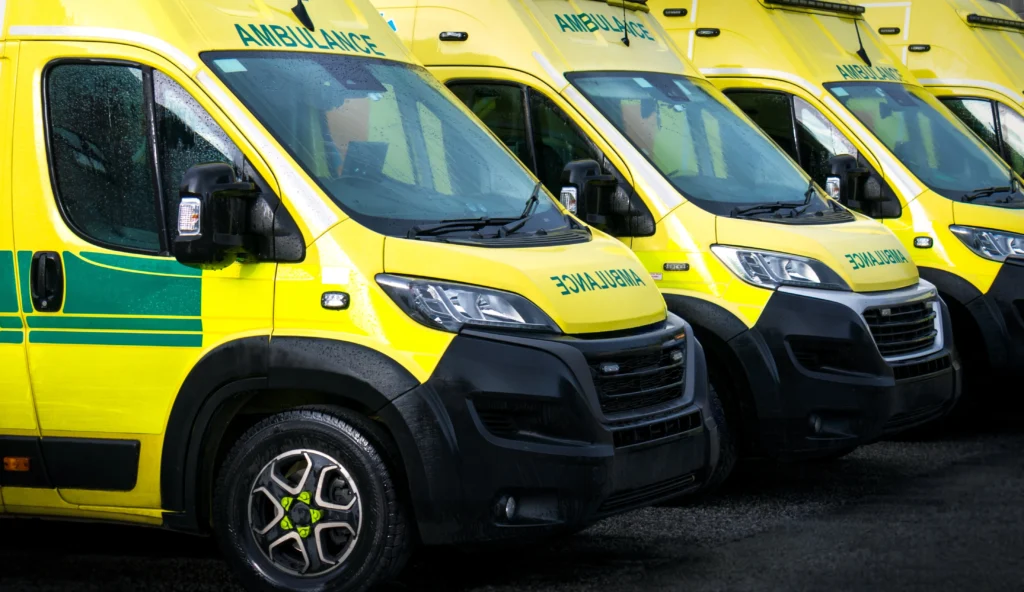
- In health, that means measurable progress on waiting lists and workforce retention. Why, a year into a Labour government are we still seeing people being treated in corridors and hospital cafes being turned into waiting rooms for hospital beds? The Health Secretary must focus on these big issues in the NHS and give them his priority.
- In education, it means restoring confidence in standards and teacher morale, improving attendance and tackling behaviour problems.
- In local government, it means acknowledging financial strain honestly while setting out a path to sustainability and accelerating the process by which local government reorganisation takes place. It also means giving local authorities greater powers and access to finance to build the homes the Labour government has promised to deliver.
What Labour must avoid is technocratic language that obscures lived experience. Voters respond to improvements they can see and feel. Clear targets, transparent reporting, and visible ministerial accountability will matter more than complex reform frameworks. When Labour is dealing with the earthy and populist voices of Farage and Polanski, it is essential that Labour politicians look and sound less like an AI generated operative and more human, real, rough, authentic and raw.
It is painful to say but too many Labour politicians are trained to look and sound robotic, technocratic and process orientated. We need characters that the public can relate to and that look and sound like them. It must also, above all else, completely avoid controversial stand-alone policy announcements upon which it inevitably performs a humiliating partial or full U-turn. Winter fuel and the welfare reforms debacle made us look weak, indecisive and not in control.
Labour’s Party Conference in September 2026 should be treated as a moment of political definition, not internal management. Too often conferences become exercises in damage limitation or factional signalling. In 2026, Labour needs the opposite: a confident articulation of what it stands for and where it is going so the Conference can be a celebration of the success of the year and a bold statement to the country.
The year that defines Labour’s fate
By the end of 2026, success for Labour should be measurable. Polling should show improving trust on the economy. The May elections should demonstrate organisational strength and electoral resilience. Public services should show good signs of recovery. And the party’s message should be coherent enough that voters can summarise it without prompting.
Most importantly, Labour must look like it knows what it is doing. Governments rarely lose because they move too boldly; they lose when they appear hesitant, reactive, or unsure of their own case. 2026 offers Labour the opportunity to prove that it is neither and recapture the narrative. The year will not forgive indecision. But handled well, it could mark the moment when Labour moves from managing expectations to shaping the future.